
If you’ve lived in Greater Victoria through even one rainy season, you already know the drill: wet boots by the door, damp coats on the hooks, and humidity that seems to creep into every corner of the house between November and March. What you might not realize is how much that dampness affects your flooring, and how the wrong choice can lead to warping, staining, mold, or a floor that simply doesn’t hold up to our coastal climate.
At Floors2Go, we’ve spent years helping homeowners across Langford, Saanich, Victoria, and the surrounding areas choose flooring that doesn’t just look good on installation day, but actually performs through decade after decade of Pacific Northwest winters. In this guide, we’ll walk through the best flooring materials for damp conditions, which rooms need extra attention, and how to protect the investment you’ve already made.
Why Victoria’s Climate Is Tougher on Floors Than You’d Think
Victoria has one of the mildest climates in Canada, which is exactly why so many people move here, but mild doesn’t mean dry. Average relative humidity in the region regularly sits above 80% during winter months, and persistent rain means moisture works its way into homes through foundations, crawl spaces, entryways, and even exterior walls if a home isn’t well sealed.
This matters for flooring in a few specific ways:
- Moisture vapor rising through concrete slabs and subfloors can warp or cup certain materials over time.
- Wet shoes, umbrellas, and pet paws track water indoors daily, concentrating moisture near entryways.
- Poor ventilation in bathrooms and basements creates the kind of sustained humidity that organic materials struggle with.
- Temperature swings between damp exteriors and heated interiors can cause expansion and contraction in flooring materials.
None of this means you’re stuck with limited options. It just means the choice matters more here than it might in a drier climate, and it’s worth working with an installer who understands local conditions rather than a one-size-fits-all approach.
Understanding How Moisture Actually Damages Flooring
Before comparing products, it helps to understand what moisture actually does to flooring over time, because the failure modes are different depending on the material. With solid hardwood, wood fibers absorb ambient humidity and swell, and when that swelling isn’t uniform across a board, you get cupping, where the edges of each plank rise higher than the center. Reverse the humidity swing in summer and you can get crowning instead, where the center rises. Repeated cycles of this eventually loosen fasteners, crack finishes, and shorten the life of the floor considerably.
Laminate flooring has a different vulnerability: its core is typically a compressed wood-fiber board (HDF or MDF), and if water gets past the wear layer at a seam or edge, that core can swell permanently, creating a raised ridge that never goes back down even after the floor dries out. This is why older laminate had such a poor reputation in humid climates, it wasn’t that the surface layer failed, it was that any moisture reaching the core caused irreversible damage.
Tile and vinyl behave very differently because the material itself is essentially inert to water. The risk with these products isn’t the flooring surface, it’s what’s happening underneath, a subfloor that traps moisture, an improperly sealed grout line, or a substrate that was never properly waterproofed before installation. This is an important distinction, because it means the manufacturer’s water rating on the box only tells part of the story. The other part is entirely dependent on how the floor was installed.
The Best Flooring Options for Damp Winters
1. Waterproof Vinyl Plank (WPC and SPC)
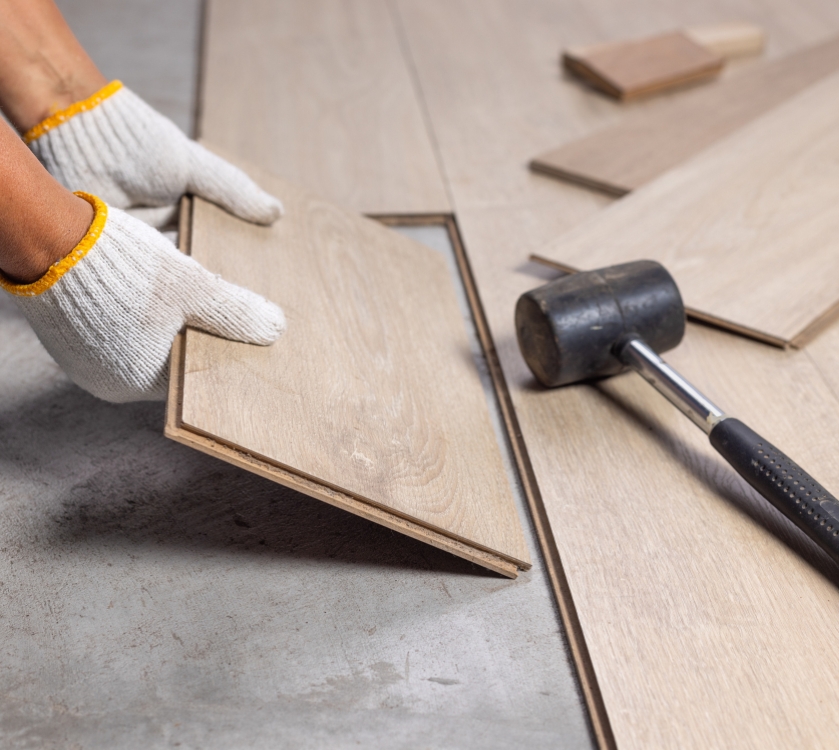
For most Victoria homes, waterproof vinyl plank is the single best all-around choice for moisture resistance. Modern rigid-core vinyl, whether wood-plastic composite (WPC) or stone-plastic composite (SPC), is 100% waterproof at the plank level, meaning spills, tracked-in rain, and even standing water won’t damage the material itself.
Waterproof vinyl also handles temperature fluctuation well, resists denting from furniture, and comes in an enormous range of finishes that convincingly mimic hardwood or stone. It’s an especially strong choice for:
- Entryways and mudrooms where wet boots and umbrellas are unavoidable
- Basements, where moisture from below-grade concrete is a constant concern
- Family homes with kids or pets tracking in water and mud
- Rental units or homes being prepped for resale, where durability matters more than a premium natural-material feel
The one caveat: waterproof at the plank level doesn’t mean waterproof at the seams or edges forever. Professional installation with properly sealed transitions is what actually keeps water from reaching the subfloor.
2. Porcelain and Ceramic Tile
Tile has been the gold standard for wet-prone spaces for a reason, it’s essentially unaffected by moisture when installed correctly. Porcelain in particular has very low water absorption, making it ideal for bathrooms, entryways, mudrooms, and even kitchens where spills are frequent.
Beyond moisture resistance, tile offers a few winter-specific advantages:
- Pairs beautifully with in-floor radiant heating, which takes the edge off cold tile underfoot during Victoria’s chilly, damp mornings
- Won’t warp, cup, or develop mold the way organic materials can if moisture gets trapped
- Extremely long lifespan, often outlasting the home’s other finishes
The trade-off is a harder, cooler surface underfoot and a higher upfront installation cost, especially for natural stone tile. This is where pairing tile with heated floors makes a real difference in comfort, something our team installs regularly for exactly this reason.
3. Engineered Hardwood (Used Thoughtfully)
Solid hardwood and damp climates generally don’t mix well, solid wood is prone to expanding, contracting, and cupping as humidity fluctuates seasonally. Engineered hardwood, however, is a different story. Its cross-layered construction makes it significantly more dimensionally stable, so it tolerates Victoria’s humidity swings far better than solid wood.
Engineered hardwood is a great fit for living rooms, bedrooms, and dining areas, spaces that see moderate humidity but aren’t directly exposed to standing water or constant foot traffic from outside. It’s not the right choice for bathrooms, mudrooms, or below-grade basements, where sustained moisture exposure will eventually cause problems even with engineered construction.
If the warmth and character of real wood is a priority for your main living spaces, engineered hardwood, installed with a proper moisture barrier, is usually the best balance of aesthetics and practicality for this climate.
4. Laminate Flooring (With Moisture-Resistant Cores)
Laminate has come a long way from older generations that swelled at the first sign of moisture. Today’s better laminate products use moisture-resistant or waterproof cores that hold up well in kitchens, hallways, and living spaces, provided they’re not installed in areas with standing water.
Laminate remains one of the most budget-friendly ways to get a wood-look floor, and for homeowners looking to update several rooms without the cost of engineered hardwood throughout, it’s a practical option, as long as you check the specific product’s water rating before committing, since not all laminate is created equal.
5. Heated Flooring, The Underrated Winter Upgrade
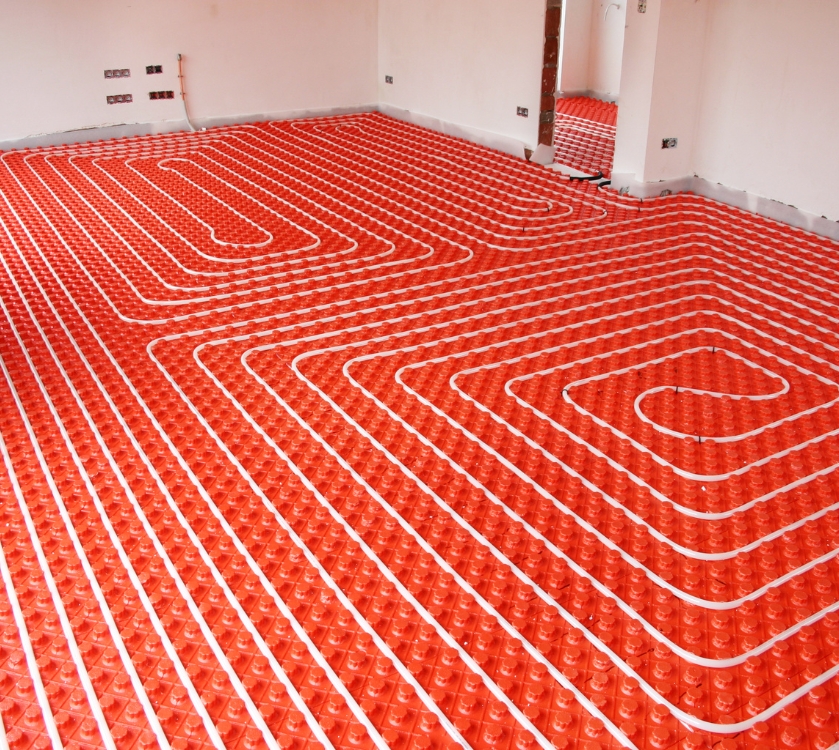
This one isn’t a material so much as a system, but it deserves a spot on this list because of how well it addresses Victoria’s specific climate challenges. In-floor radiant heating keeps tile, stone, and even some engineered wood floors warm and dry to the touch, which does more than add comfort, consistent gentle heat helps discourage the kind of moisture buildup that leads to mold and mildew in bathrooms and other damp-prone rooms.
Heated floors pair especially well with tile in bathrooms and entryways, turning what’s often the coldest, dampest part of a Victoria home in winter into one of the most comfortable.
What to Ask Before You Choose
Because so much of a floor’s real-world moisture performance comes down to product specifics and installation details rather than the general category it falls into, it’s worth asking a few pointed questions before committing to any material:
- What is the manufacturer’s actual water-exposure rating, and does it cover standing water or only occasional spills?
- Is the wear layer thick enough to handle the foot traffic this specific room will see?
- Will the installer test subfloor moisture levels before installation, and what happens if levels come back high?
- What underlayment or vapor barrier is included, and is it rated for below-grade or high-humidity use if relevant?
- How are transitions and edges, around tubs, exterior doors, and cabinetry, being sealed?
A reputable flooring contractor should be able to answer all of these clearly and specifically for your home, not just point to a general product brochure. If an installer can’t explain how they’re addressing subfloor moisture, that’s worth treating as a red flag regardless of how good the flooring material itself looks.
Rooms That Deserve Extra Attention
While every floor in a damp climate benefits from the right material, a few areas of the home consistently cause the most trouble if overlooked.
Entryways and Mudrooms
This is ground zero for moisture in a Victoria home. Between October and April, boots, umbrellas, and jackets bring rain indoors daily. Waterproof vinyl plank or porcelain tile, ideally with a durable mat system just inside the door, is the most practical combination here.
Bathrooms
Bathrooms combine two moisture sources: ambient humidity from showers and direct water exposure. Tile remains the safest choice, and pairing it with proper ventilation (a working exhaust fan is non-negotiable in this climate) and heated floors keeps the space both dry and comfortable.
Basements
Below-grade spaces are exposed to moisture vapor rising through the concrete slab, even if the space looks and feels dry day to day. Waterproof vinyl plank with a proper vapor barrier underlayment is generally the safest choice; solid hardwood should be avoided here almost entirely.
Kitchens
Kitchens see frequent spills and, in many Victoria homes, a back door that doubles as a side entrance. Waterproof vinyl, tile, or a quality moisture-resistant laminate all perform well, provided seams and edges are properly sealed during installation.
Sunrooms and Three-Season Spaces
Victoria’s mild climate means many homes make use of sunrooms, enclosed porches, or three-season spaces for much of the year, but these rooms often sit closer to outdoor humidity levels than the rest of the house, especially if they have significant glass surface area that generates condensation on cold, damp mornings. Waterproof vinyl plank is generally the safest choice here, since it tolerates both the humidity swings and the temperature fluctuations these spaces experience without the framing and finish concerns that come with solid wood or standard laminate.
Ventilation and Humidity Control Support Any Flooring Choice
It’s worth saying clearly: no flooring material, however moisture-resistant, is a substitute for basic humidity control in the home. A bathroom without a functioning exhaust fan will eventually create problems for tile grout, cabinetry, and paint, not just the floor. Similarly, a basement without any dehumidification will run persistently higher humidity than the rest of the house, regardless of what’s underfoot.
A few habits make a meaningful difference in how any flooring performs over the winter:
- Run bathroom exhaust fans during and for at least twenty minutes after showers
- Use a dehumidifier in basements or crawl spaces prone to dampness, particularly October through March
- Wipe down entryway flooring promptly after wet weather rather than letting puddles sit
- Check under sinks and around appliances periodically for slow leaks that can go unnoticed for months
None of this is about babying your floors, it’s simply about not asking any material to do more than it reasonably can. Even the most waterproof product on the market performs better in a well-ventilated home than in one where humidity is allowed to build up unchecked.
Installation Matters as Much as Material
Even the most moisture-resistant flooring on the market can fail prematurely if it’s installed poorly. A few installation details make an outsized difference in how well a floor holds up to Victoria’s damp conditions:
- Subfloor preparation, moisture testing and proper underlayment or vapor barriers before anything is installed
- Sealed seams and transitions, especially where flooring meets exterior doors, tubs, or showers
- Correct expansion gaps, allowing materials room to adjust with seasonal humidity changes without buckling
- Quality waterproofing systems in wet areas, not just water-resistant tile, but a fully waterproofed substrate underneath it
This is really the heart of it: the best material choice in the world won’t perform as promised if it’s installed without accounting for the realities of a coastal climate. It’s also why homeowners who’ve had flooring fail prematurely often find the issue traces back to installation shortcuts rather than the product itself.
Budgeting for the Right Choice
Cost is naturally part of this decision, and it’s worth thinking about in terms of lifetime value rather than just the price per square foot. Moisture-resistant laminate and waterproof vinyl plank tend to sit at the more accessible end of the spectrum, making them practical choices for homeowners updating multiple rooms at once or working with a defined renovation budget. Porcelain tile and engineered hardwood typically carry a higher upfront cost, but often make up for it in longevity when installed correctly and matched to the right room.
Where homeowners tend to run into trouble is choosing a cheaper product for the wrong room, a budget laminate in a mudroom, for instance, or solid hardwood in a below-grade basement, because the up-front savings get erased many times over by an early replacement. A useful rule of thumb: spend where moisture exposure is highest (entryways, bathrooms, basements) and save where it’s lowest (bedrooms, upper-floor living spaces), rather than applying one budget uniformly across the whole home.
A Quick Comparison
To sum up how these options stack up for Victoria’s climate:
- Waterproof vinyl plank, best all-around value and moisture protection; ideal for entryways, basements, and busy family homes
- Porcelain/ceramic tile, best long-term moisture resistance; ideal for bathrooms and pairs perfectly with heated floors
- Engineered hardwood, best for the look and warmth of real wood in living spaces, not wet zones
- Moisture-resistant laminate, budget-friendly wood look for moderate-moisture areas
- Heated flooring systems, the comfort and moisture-control upgrade worth pairing with tile in high-humidity rooms
Getting It Right the First Time
Choosing flooring for a damp climate isn’t about avoiding beautiful materials, it’s about matching the right product to the right room, and making sure it’s installed with this climate in mind. A gorgeous engineered hardwood floor is a wonderful choice for a living room, and a completely wrong choice for a basement. Tile that looks stunning in a bathroom needs proper waterproofing underneath it to actually earn that reputation for durability.
This is where local experience makes a real difference. A flooring company that works exclusively in dry inland climates simply won’t approach subfloor prep, moisture barriers, or material selection the same way a Victoria-based team will.
At Floors2Go, we bring our mobile showroom directly to your home, so you can see and feel these materials in your own space before making a decision, and we handle everything from subfloor moisture testing to final installation, so the floor you choose is protected against exactly the conditions it’ll face.
If you’re planning a renovation this winter, or simply want to know which flooring will hold up best in your specific rooms, we’re happy to walk through your space and talk through the options with no pressure and no obligation.
Ready to talk floors? Call us at (250) 885-2346 or book a consultation to bring our mobile showroom to your door.