
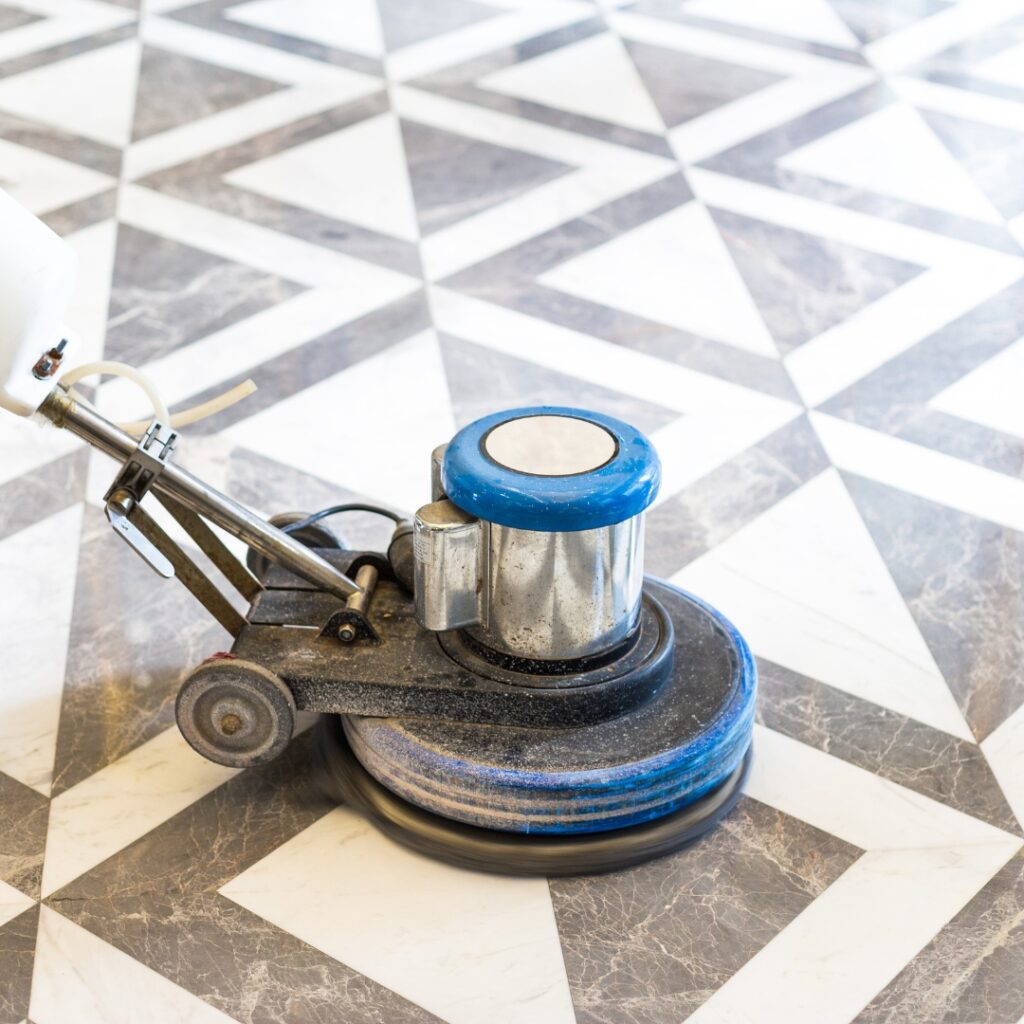
Walk into any well-designed home or commercial space in Greater Victoria, and there’s a good chance tile, marble, or natural stone is doing a lot of the visual heavy lifting. It’s in the kitchen backsplash that catches the afternoon light. It’s in the spa-style shower that makes a bathroom feel like a retreat. It’s in the lobby floor of a boutique hotel that tells guests, before a single word is spoken, that this business cares about details.
But tile and stone aren’t just about looks. They’re a long-term investment in the performance of your space — how it holds up to moisture, foot traffic, temperature swings, and the everyday wear of real life. And in a coastal climate like ours, where damp winters and salty air are part of the package, getting the material and the installation right matters even more than it does elsewhere.
As a tile company Victoria homeowners and businesses have trusted for years, Floors2Go gets asked the same questions on almost every consultation: What’s the difference between porcelain and ceramic? Is natural stone worth the extra cost? Will marble hold up in a bathroom with kids? Below, we’re answering those questions and more, so you can walk into your next flooring decision with confidence.
Why Tile, Marble & Natural Stone Still Lead the Way
Flooring trends come and go, but tile and stone have held their ground for a reason. A few of the biggest advantages:
Durability that actually lasts. Properly installed tile and stone can outlive almost every other flooring material in your home. While carpet wears thin and laminate can swell with moisture, a well-set porcelain or natural stone floor is built to handle decades of daily life.
Moisture resistance. For bathrooms, kitchens, entryways, and mudrooms — the rooms that take the most abuse from water, spills, and wet boots — tile and stone are simply the safer choice. This is especially true here in Greater Victoria, where our wet winters mean entryways and bathrooms need materials that won’t warp, stain, or trap moisture underneath.
Design versatility. Whether you want the clean, contemporary lines of large-format porcelain, the warm texture of travertine, or the timeless elegance of marble, there’s a tile or stone solution for nearly every design vision. Patterns, finishes, and formats have expanded dramatically in recent years, giving homeowners far more creative freedom than tile once offered.
Value at resale. Buyers notice tile and stone. A well-tiled kitchen backsplash or a marble-clad ensuite reads as an upgrade, not just a finish — and that shows up when it’s time to sell.
Low maintenance, high payoff. Once sealed and installed correctly, tile and stone require far less upkeep than most people expect. A regular cleaning routine and the occasional resealing (for natural stone) is typically all it takes to keep these surfaces looking new.
Tile vs. Marble vs. Natural Stone: What’s the Difference?
One of the most common points of confusion we run into with clients is the distinction between tile, marble, and natural stone — because in casual conversation, the terms get used almost interchangeably. Here’s how we break it down.
Ceramic and Porcelain Tile
Ceramic and porcelain are manufactured tiles, made from clay that’s shaped and fired at high temperatures. Porcelain is denser and less porous than standard ceramic, which makes it more resistant to moisture, staining, and chipping — a big reason it’s become the go-to choice for high-traffic residential floors and commercial spaces alike.
The biggest advantage of ceramic and porcelain is versatility. Because they’re manufactured, they can be produced in an enormous range of colours, patterns, and finishes — including realistic replications of wood grain, concrete, and even natural stone, at a fraction of the cost and with far more consistency.
Marble
Marble is a natural stone, quarried from the earth and cut into slabs or tiles. It’s prized for its distinctive veining, soft light-catching surface, and timeless association with luxury. No two marble pieces are exactly alike, which is part of the appeal — but it also means marble requires a more careful eye during selection and layout to make sure veining flows naturally from piece to piece.
Marble is softer and more porous than granite or porcelain, which means it needs to be sealed properly and resealed periodically, particularly in kitchens and bathrooms where it’s exposed to moisture and acidic substances. Done right, a marble installation is one of the most striking design choices available — a marble-clad shower or a marble feature wall in a lobby has a presence that manufactured materials simply can’t replicate.
Natural Stone (Slate, Travertine, Limestone, and More)
Beyond marble, there’s a whole family of natural stone materials — slate, travertine, limestone, and others — each with its own texture, colour range, and personality. Travertine brings warmth and an organic, slightly rustic texture that works beautifully in both indoor and outdoor applications. Slate offers a more rugged, textured look that holds up well underfoot, indoors or out. Limestone tends toward soft, neutral tones that pair well with both modern and traditional design schemes.
Like marble, natural stone needs to be properly sealed and requires periodic maintenance — but the payoff is a material with genuine texture and depth that’s virtually impossible to fake.
Where Each Material Makes the Most Sense
Every space has different demands, and part of what a good tile company brings to the table is matching the right material to the right application — not just what looks good on a showroom sample.
Kitchens. Porcelain and ceramic are workhorses here, standing up to spills, dropped pans, and constant foot traffic. For a backsplash, though, this is where marble and natural stone really shine — a smaller surface area means the investment goes further, and it’s the perfect place to make a design statement without committing an entire floor to a higher-maintenance material.
Bathrooms and custom showers. This is where waterproofing and material choice intersect most critically. Porcelain remains a dependable, low-maintenance option for shower walls and floors, while marble and natural stone create a genuinely elevated, spa-like feel for vanities, feature walls, and walk-in showers. Whatever material you choose, the waterproofing behind it is just as important as the tile itself — more on that below.
Entryways and mudrooms. Given our coastal weather, this is one of the most practical places to invest in tile or stone. A durable porcelain or natural stone entry can handle wet boots, sand, salt, and daily traffic without showing wear, and it protects the rest of your home from moisture being tracked in.
Feature walls and fireplaces. Natural stone and marble are particularly effective here, where a smaller footprint lets you use a premium material to create a genuine focal point in a living room or commercial lobby.
Commercial spaces. In retail, hospitality, and multi-unit developments, tile and stone need to balance appearance with heavy daily use. Large-format porcelain is increasingly popular in commercial applications for its durability and the way it can mimic the look of natural stone at a lower long-term maintenance cost — while marble and stone accents are often reserved for lobbies, washrooms, and other spaces meant to make an impression.
The Installation Details That Actually Matter
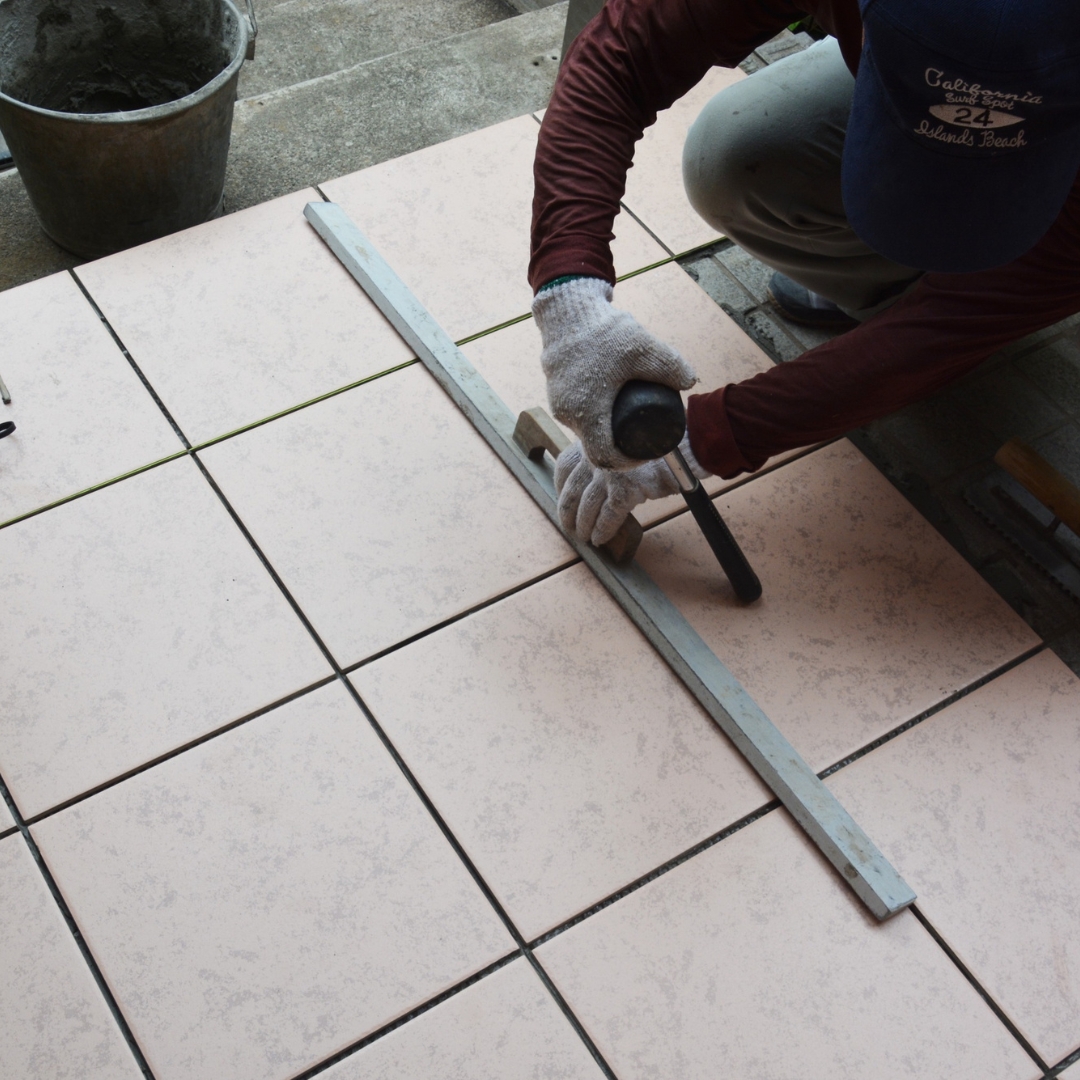
Here’s something we tell every client, whether they’re doing a single bathroom or a full commercial build-out: the material you choose only accounts for part of how the finished space performs. Installation is where the real difference is made.
Subfloor preparation. Tile and stone are unforgiving of an uneven or improperly prepared subfloor. Cracks, gaps, or moisture issues in the subfloor will eventually show up in the finished surface — sometimes as cracked tiles, sometimes as more serious structural issues down the line. Proper prep isn’t a shortcut step; it’s the foundation everything else depends on.
Waterproofing. In bathrooms, showers, and any wet area, waterproofing has to happen before a single tile goes down. This is especially critical in custom showers, where a failure behind the tile can lead to hidden water damage that’s expensive and disruptive to fix. A tile installer who treats waterproofing as an afterthought is setting a client up for problems years down the road.
Layout and pattern planning. Especially with natural stone and marble, where veining and colour vary piece to piece, layout planning ahead of installation makes the difference between a floor that looks intentional and one that looks like whatever was left in the box. This is where experience and a trained eye really show.
Grout and sealing. The grout lines and sealing work are often the last thing homeowners think about, but they have an outsized impact on both appearance and longevity. Proper sealing protects porous natural stone from staining, while quality grout work keeps moisture from working its way underneath tile over time.
Heated floor integration. If you’re installing tile in a bathroom or kitchen, this is the moment to think about heated floors. Because heating systems are installed underneath the tile itself, retrofitting them later means tearing everything out. Planning for it during the initial installation is far more cost-effective and turns a good bathroom into a genuinely luxurious one, especially through Victoria’s damp winter mornings.
What Tile and Stone Installation Actually Costs
Cost is usually the first question in any consultation, and the honest answer is: it depends on more variables than most people expect. Material is only one part of the equation — the condition of your subfloor, whether waterproofing needs to be installed or repaired, the complexity of the layout, and the size of the space all factor into a final quote.
As a general rule, porcelain and ceramic tile tend to be the most budget-friendly starting point, with a wide range of pricing depending on size, finish, and origin. Natural stone and marble sit higher on the cost spectrum, both in material and in the labour required to cut, lay, and finish them properly — particularly with large-format slabs or intricate veining that needs to be matched across pieces.
Where we see homeowners get the most value is in strategic material use: porcelain for the bulk of a floor, paired with a marble or natural stone accent in a smaller, high-impact area like a backsplash, shower niche, or feature wall. This approach delivers the visual payoff of a premium material without the full-room price tag.
It’s also worth factoring in the cost of doing it once, properly, versus doing it twice. A rushed or improperly waterproofed installation might save money upfront, but the cost of tearing out failed tile and repairing water damage down the line almost always outweighs the initial savings. This is where getting quotes from an experienced, established tile company in Victoria — rather than the lowest bidder — tends to pay off over the life of the floor.
We always recommend getting a detailed, itemized quote before committing to a project, and we’re happy to match or beat any comparable quote for the same scope of work.
Tile and Stone Trends We’re Seeing Across Greater Victoria
Design preferences shift over time, and while the fundamentals of good installation never change, it’s worth knowing what’s currently popular if you’re planning a renovation.
Large-format tile. Bigger tiles mean fewer grout lines, which creates a cleaner, more contemporary look and is genuinely easier to keep clean over time. This trend has been especially popular in kitchens, open-concept living spaces, and commercial floors.
Textured and matte finishes. Where glossy tile once dominated, we’re seeing more demand for matte and lightly textured finishes, particularly in bathrooms and entryways where a bit of texture also improves slip resistance.
Book-matched marble. In feature walls and higher-end bathroom installations, book-matching — where two adjacent marble slabs are cut and mirrored so their veining creates a symmetrical pattern — has become a signature look for clients wanting a genuine wow factor.
Warm, earthy stone tones. Travertine and limestone in warm neutral tones continue to trend upward as homeowners move away from the stark, cool greys that dominated design for the past decade, favouring finishes that feel more organic and grounded.
Heated tile floors. Given our climate, this isn’t so much a trend as a growing expectation — particularly in bathrooms and ensuites, where a heated tile floor transforms a functional room into a genuine daily comfort.
None of these trends should override what actually works for your space and your budget, but they’re useful context if you’re trying to figure out what will still look current in five or ten years.
Common Questions We Hear From Victoria Homeowners
“Is natural stone too high-maintenance for a family home?”
Not if it’s sealed and cared for properly. Most natural stone needs resealing every year or two, depending on the material and how much traffic it gets — a simple task that keeps it protected from staining and moisture. For families who want the look of marble without that upkeep, large-format porcelain that replicates natural stone patterning has become a very convincing, lower-maintenance alternative.
“What’s the real difference between ceramic and porcelain?”
Porcelain is fired at a higher temperature and is denser, making it less porous and more resistant to water and wear. For high-traffic areas, wet rooms, and anywhere durability is a priority, porcelain is generally the stronger choice. Ceramic remains a solid, more budget-friendly option for lower-traffic areas.
“Can I mix materials in one space?”
Absolutely, and it’s one of the more popular design approaches we see. A porcelain floor paired with a marble or natural stone accent wall, or a tiled shower floor with a stone vanity top, lets you control your budget while still getting the visual impact of a premium material where it matters most.
“How long does a typical tile installation take?”
It depends heavily on the scope — a bathroom retile looks very different from a full commercial floor. Subfloor condition, waterproofing needs, and material choice all factor into the timeline. During a consultation, we walk through the specifics of your space so there are no surprises once work begins.
“Do you install tile for both homes and businesses?”
Yes. We work across residential projects — kitchens, bathrooms, custom showers, entryways — and commercial spaces including retail, hospitality, and multi-unit developments. The fundamentals of good installation don’t change, but the scale, timelines, and durability requirements often do.
Why Homeowners and Businesses Choose Floors2Go
We’ve built our reputation as a tile company Victoria residents recommend to their neighbours, and that comes down to a straightforward approach: honest quotes, reliable timelines, and craftsmanship that holds up over time. No gimmicks, no upselling — just a team that treats every project, whether it’s one bathroom or an entire commercial build, with the same level of care.
A few things that set our approach apart:
– A mobile showroom that comes to you. Rather than asking you to picture how a tile or stone sample will look in your space, we bring options directly to your home or business so you can see them in your actual lighting, against your actual finishes.
– Full-service capability. From subfloor prep and waterproofing to heated floor integration and finishing, we handle every stage of the project in-house, which means fewer handoffs and more accountability.
– Experience across residential and commercial projects. Whether it’s a spa-inspired ensuite or a high-traffic commercial lobby, we bring the same precision and attention to detail to every job.
– Local, accountable, and easy to reach. As a locally owned business serving Greater Victoria, we’re not a call centre or a franchise — you’re working directly with the team that will show up and do the work.
Ready to Talk Tile?
Whether you’re picturing a marble feature wall, a fully tiled walk-in shower, or simply need durable, good-looking tile floors in Victoria that can handle everyday life, the right materials and the right installation make all the difference. Floors2Go brings the product knowledge, the craftsmanship, and the honest guidance to help you get it right the first time.
Book a no-obligation consultation and let’s talk through your options — no pressure, just expert advice tailored to your space.
Call us today at (250) 885-2346 or reach out through our website to schedule your consultation.